Hey there! 👋
I'm Rahul Gupta, a DevOps Engineer passionate about all things AWS DevOps Technology. Currently, on a learning adventure, I'm here to share my journey and Blogs in the world of cloud and DevOps.
🛠️ My focus? Making sense of AWS services, improving CI/CD, and diving into infrastructure as code. Whether you're fellow interns or curious enthusiasts, let's grow together in the vibrant DevOps space.
🌐 Connect with me for friendly chats, shared experiences, and learning moments. Here's to embracing the learning curve and thriving in the exciting world of AWS DevOps Technology!
Understanding DevOps: Automation, Scaling, Infrastructure, and Why It Matters
In the ever-evolving world of software development, the term "DevOps" has gained significant traction. But what does it mean, and why is it important? Let's dive into the core concepts of DevOps and explore how automation, scaling, and infrastructure play crucial roles in its implementation.
What is DevOps?
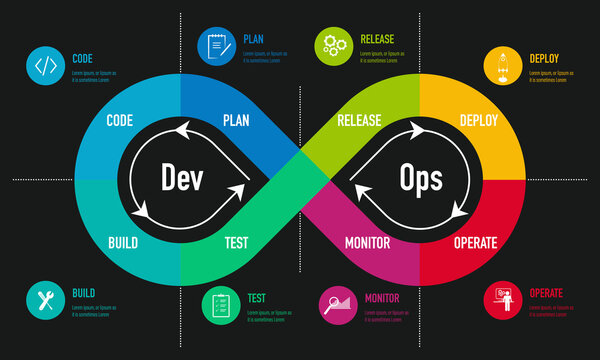
DevOps is a cultural and technical approach that emphasizes collaboration, communication, and integration between software development (Dev) and IT operations (Ops). It aims to create a unified environment where teams work together to deliver software faster, with higher quality, and in a more reliable manner.
DevOps is not just a set of tools or processes; it's a mindset that promotes continuous improvement, transparency, and shared responsibility. By breaking down the traditional silos between development and operations, DevOps enables organizations to adapt to changing business needs and technology trends more efficiently.
Automation in DevOps
Automation is at the heart of DevOps. By automating repetitive tasks, teams can focus on more complex and creative aspects of software development. Here are some common areas where automation is applied in DevOps:
Continuous Integration/Continuous Deployment (CI/CD): Automation tools like Jenkins, GitLab, or GitHub Actions enable teams to integrate code changes frequently, test them automatically, and deploy them to production with minimal manual intervention.
Infrastructure as Code (IaC): Tools like Terraform and AWS CloudFormation allow teams to define and manage infrastructure using code, enabling consistent and repeatable environments.
Automated Testing: Automation frameworks like Selenium and JUnit help automate testing processes, reducing the need for manual testing and ensuring code quality.
By automating these processes, organizations can reduce human errors, improve efficiency, and speed up software delivery.
Scaling in DevOps
Scaling in DevOps refers to the ability to handle increased workloads and grow infrastructure to meet demand without sacrificing performance or reliability. This is especially important in today's digital landscape, where applications are expected to be highly available and responsive. Key practices for scaling in DevOps include:
Microservices Architecture: This approach breaks down monolithic applications into smaller, independent services. Each service can be scaled individually, allowing for more flexibility and scalability.
Containerization: Tools like Docker and Kubernetes allow applications to run in isolated environments, making it easier to scale and manage them across different platforms.
Load Balancing and Auto-Scaling: Load balancers distribute incoming traffic across multiple servers, while auto-scaling automatically adjusts resources based on demand.
By implementing these scaling practices, organizations can ensure their applications can handle growth without compromising performance.
Infrastructure in DevOps
Infrastructure in DevOps encompasses the hardware, software, networks, and services that support software development and deployment. DevOps practices encourage the use of flexible and automated infrastructure to improve agility and resilience. Key components of DevOps infrastructure include:
Cloud Computing: Cloud platforms like AWS, Azure, and Google Cloud offer scalable infrastructure that can be provisioned on-demand, reducing the need for physical hardware.
Infrastructure as Code (IaC): As mentioned earlier, IaC allows teams to define and manage infrastructure using code, making it easier to maintain consistency and version control.
Monitoring and Logging: Tools like Prometheus, Grafana, and Splunk help monitor infrastructure and applications, providing insights into system health and performance.
By leveraging modern infrastructure practices, DevOps teams can ensure their systems are robust, scalable, and easy to manage.
Why DevOps is Important
DevOps has become increasingly important for several reasons:
Faster Time to Market: DevOps practices enable organizations to deliver software more quickly, allowing them to respond to market demands and customer feedback faster.
Improved Collaboration: DevOps fosters a culture of collaboration, breaking down barriers between development and operations teams.
Enhanced Quality and Reliability: Automation and continuous testing help ensure software quality, reducing the risk of defects and downtime.
Greater Agility and Flexibility: DevOps allows organizations to adapt to changing technology trends and business needs with ease.
Cost Savings: By automating processes and optimizing infrastructure, organizations can reduce operational costs and improve resource utilization.
In summary, DevOps represents a transformative approach to software development and operations. By embracing automation, scaling, and modern infrastructure practices, organizations can achieve greater efficiency, collaboration, and success in the digital era.